
Post Summary
What should homeowners consider before deciding to paint a hardwood floor?
Painting a hardwood floor takes more time than most homeowners expect, since a proper job typically requires 3 to 5 coats with 12 to 24 hours of drying time between each one, on top of the surface preparation needed beforehand. How much traffic the floor sees matters just as much, since high traffic areas like hallways and living rooms are more likely to show peeling, fading, or staining from foot traffic before the paint fully cures. How long the homeowner plans to stay in the home is another key factor, since painted floors are a custom look that can give potential buyers a reason to negotiate a lower price at resale. Weighing these three factors together, timeline, traffic, and length of ownership, helps determine whether painting is actually the right choice for a specific room.
What are the top wood floor paint options, and how do they differ from one another?
Rust-Oleum 7200 PU Floor Paint stands out as a hard wearing, solvent based option that contains polyurethane and higher quality resins, giving it strong resistance to peeling and flaking, and it comes as a single pack system that can be applied without mixing. Dulux Trade Floorshield is another solvent based option that does not contain polyurethane and costs somewhat more, but it offers high durability, an attractive mid sheen finish, and coverage of up to 172 square feet per can. Armstead Trade Floor Paint is a professional quality, solvent based paint built for interior wood or concrete surfaces, with resistance to foot traffic and even light rubber wheeled vehicular traffic, though it is limited to a smaller range of standard colors than the other two options. Each of these paints serves a slightly different priority, whether that is maximum durability, finish quality, or traffic resistance, so the right choice depends on the specific room and use case.
What is floor varnish, and how does it differ from paint?
Floor varnish is a clear or colored protective coating applied as the final step in the wood floor finishing process, after any paint or sealant coats have already gone down, and it protects the wood from staining, fading, and general wear while also giving the floor a glossy, shiny appearance. There are two main types, oil based and water based, each with a different tradeoff. Oil based varnish offers more durability and better resistance to wear and tear, but it can yellow over time, while water based varnish dries clear and does not yellow, though it is not as durable as the oil based option. For most homeowners looking to protect a hardwood floor rather than change its color entirely, varnish is generally the better choice over paint.
Why might painting a hardwood floor actually hurt a home’s resale value?
Painted hardwood floors represent a custom, personal style choice, and not every buyer shares the same taste in floor color or finish, which means a painted floor can become a point of negotiation that works against the seller rather than in their favor. Because painting a floor is also relatively difficult to reverse without a full refinish, buyers may see it as an added cost or hassle they will need to address after moving in. This risk matters most for homeowners who expect to sell in the near future, since the custom look that appeals to the current owner may not translate into added value for the next one. For anyone planning to stay long term, this concern matters less, but it remains an important factor to weigh before committing to a painted floor.
When does it make sense to paint a wood floor, and what is the better alternative in most other cases?
Painting a wood floor can make sense in a smaller, lower traffic space where a homeowner wants to create a unique look, such as a playroom or a laundry room, where the tradeoffs around durability and resale value matter less. For nearly every other room in a home, sealing and staining the wood to let its natural grain show through produces a more durable, timeless result than paint, and it avoids the resale concerns that come with a fully painted floor. The natural wood grain also brings a warmer, more earthy look to a space, which tends to complement other hardwood features already present in a home. For homeowners weighing these options, a professional consultation can clarify which approach, paint, stain, or a full refinish, actually fits the specific room and goals in mind.
If you’re planning to refinish your hardwood floors and you’re looking to paint wood floors, you’ll need to make sure the type of paint you choose is perfect for a wood floor.
In this guide, you’ll discover our top picks when it comes to wood floor paints, their cost, and where to buy them.
We’ll also talk about paints, varnishes, and the best paint brands out there, but if you want to find more about refinishing a wood flooring, check out our guide!
Let’s begin!

Three Key Considerations Before You Start Painting Wood Floors
How long it will take
How Much Traffic The Floor Gets
How Long Will You Stay In Your Home
Painting is a custom option for wood floors, so if you’re planning to move out and sell the property, painted floors can be a motive for the buyer to negotiate for a lower price. Our advice: if you’re planning to move out soon, don’t paint the wood floor.
Let’s see our top 3 wood floor paints.
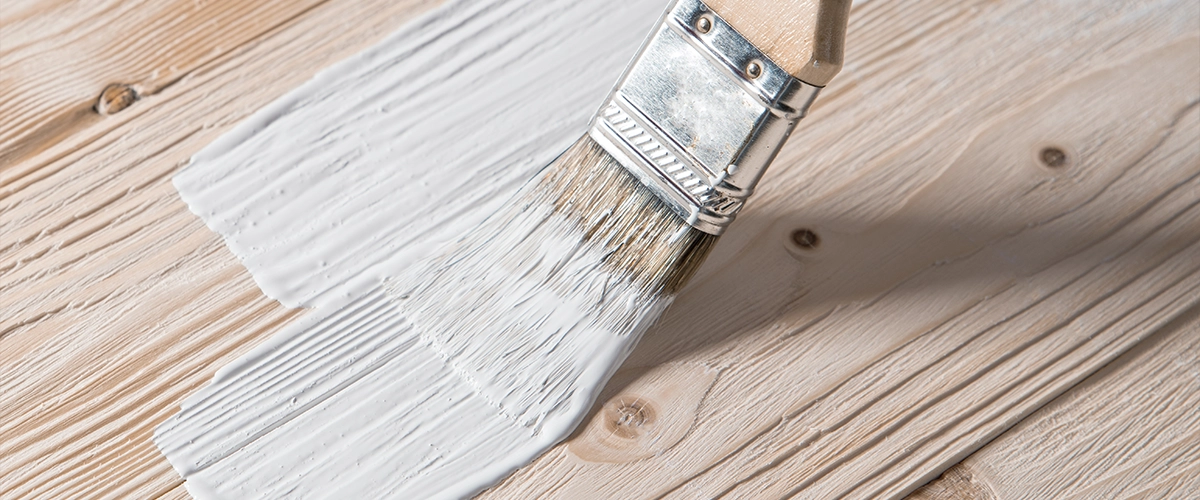
1. Rust-Oleum 7200 PU Floor Paint
Rust-Oleum 7200 PU Floor Paint is our top choice when it comes to wood floor paints.
It’s a hard-wearing solvent-based paint designed for a wide range of surfaces, including wood & concrete. Rust-Oleum specializes in high-quality paints, and this particular product contains polyurethane, so it’s extremely durable.
It contains higher quality resins that give it far superior durability and resistance to peeling and flaking.
Rust-Oleum 7200 PU is a single-pack system, meaning it can be applied straight away without the need to mix the product. All you’ll need is a roller or a paint brush and you can get your entire floor painted in an instant.
Key Features
- Can be mixed in any color
- Very hard-wearing
- Easy to use
- Contains high-quality resins
- Available in gloss and satin finishes
2. Dulux Trade Floorshield
This single-pack solvent-based floor paint is another fantastic option if you are looking to refinish and paint your hardwood floors.
It does not contain polyurethane and is slightly more expensive than most other wood floor paints.
Dulux Trade Floorshield offers high durability, an attractive finish and can be mixed in any color.
Key Features
- Can be mixed in any color
- Hard-wearing
- Easy to use
- Coverage of up to 172 square foot per can
- Mid-sheen finish
3. Armstead Trade Floor Paint
Armstead Trade Floor Paint is a professional quality, solvent-based, wood floor paint that has a tough and durable finish, ideal to use on interior wood or concrete surfaces.
It is resistant to foot traffic and even light rubber-wheeled vehicular traffic, making it ideal if you are looking for a durable finish.
However, with Armstead Trade Floor Paint you are limited to a number of standard colors, so before you decide on this brand, make sure they have the color you’re looking for.
Nevertheless, this is an excellent trade-quality paint for wood floor option, ideal for anyone painting wooden floors.
Key Features
- Available in gray & green
- Solvent-based
- Resistant to foot traffic and light rubber-wheeled vehicular traffic
What Is Floor Varnish?
Floor varnish is a clear or colored protective coating for wood floors that can be both decorative and protective.
It is generally applied as the final step in the wood floor finishing process, after all other coats of paint or sealant have been applied. Floor varnish can protect the wood from staining, fading, and wear and tear.
It can also give the floor a glossy, shiny appearance.
There are two types of floor varnish: oil-based and water-based. Like oil-based paint, oil-based varnish is more durable and resistant to wear and tear, but it can yellow over time. Water-based varnish dries clear and does not yellow, but it is not as durable as oil-based varnish.
Overall, it’s better to use a floor varnish instead of trying to paint wood floors.

Conclusion
So, is painting floors the best option for you? It could be, but painted hardwood floors could also decrease your hardwood floor resale value.
Here’s our professional advice: don’t paint wood floors unless you want to create a unique look in a smaller place, like a playroom or a laundry room.
A better alternative is to seal and stain your wood floors and let them look like the real hardwood they are. The natural wood grain brings a comfortable and more earthy look to your place, especially if you have other hardwood features in your home.
If you’re interested in more options for refinishing a hardwood floor, give us a call right now or request a free quote and we’ll get back to you as soon as possible!

Key Points
What timeline and preparation should homeowners expect if they decide to paint a hardwood floor?
- Surface preparation takes real time before any paint goes down. Vacuuming, cleaning, and washing the floor thoroughly is a necessary first step that cannot be skipped without affecting how well the paint adheres.
- A proper paint job requires multiple coats, not just one. Between 3 and 5 coats are typically needed for a durable result, which is significantly more involved than a single quick coat of paint.
- Drying time between coats adds up quickly. Each coat needs between 12 and 24 hours to dry completely, which means a full painting project can easily stretch across several days before the floor is ready for use.
- Rushing the process undermines the final result. Walking on a floor before a coat has fully cured risks peeling, staining, or an uneven finish that requires touch up work later.
- Total project time should factor into the decision to paint at all. A homeowner weighing painting against other refinishing options should account for this multi day timeline rather than assuming it is a quick weekend project.
- RS Hardwood Flooring can help homeowners plan a realistic timeline before starting any project. Whether the goal is painting a small space or a full refinish, RS Hardwood Flooring can walk homeowners through what to expect before work begins, and a free quote is available for anyone considering the project.
How do the top three wood floor paints compare on durability, finish, and use case?
- Rust-Oleum 7200 PU Floor Paint leads on durability. Its polyurethane content and higher quality resins give it strong resistance to peeling and flaking, and its single pack system means it can be applied without any mixing beforehand.
- Dulux Trade Floorshield offers a different balance of cost and finish. Without polyurethane and at a somewhat higher price point, it still delivers high durability along with an attractive mid sheen finish and coverage of up to 172 square feet per can.
- Armstead Trade Floor Paint stands out for traffic resistance. Its resistance to foot traffic and even light rubber wheeled vehicular traffic makes it a strong option for spaces that see more than typical residential wear.
- Color availability varies significantly between these options. Rust-Oleum and Dulux can both be mixed into a wide range of colors, while Armstead is limited to a smaller set of standard colors that should be checked before committing to the brand.
- The right paint depends on the specific room and priority. A homeowner prioritizing maximum durability, finish appearance, or traffic resistance may land on a different one of these three options depending on which factor matters most for that particular space.
- RS Hardwood Flooring can help homeowners choose the right product for their specific project. Rather than guessing which paint fits a given room’s needs, a consultation with RS Hardwood Flooring can match the product to the space and the homeowner’s goals.
What role does floor varnish play in protecting a hardwood floor, and how do the two main types compare?
- Varnish serves as the final protective layer in a finishing process. Applied after any paint or sealant coats, varnish protects the wood from staining, fading, and general wear while adding a glossy, shiny appearance to the surface.
- Oil based varnish trades some appearance stability for durability. It holds up well to wear and tear over time, but it can yellow as it ages, which changes the floor’s appearance gradually.
- Water based varnish prioritizes a clear, unchanging look. It dries clear and does not yellow over time, though it does not offer the same level of durability as an oil based option.
- The choice between the two often comes down to priorities. A homeowner who values long term appearance stability may lean toward water based varnish, while one prioritizing maximum durability may choose oil based instead.
- Varnish generally outperforms paint for most hardwood floors. Since it protects the wood’s natural appearance rather than covering it entirely, varnish tends to be the better choice for homeowners who are not specifically seeking a painted look.
- RS Hardwood Flooring can recommend the right varnish type for a given floor and household. Factors like foot traffic, sunlight exposure, and personal preference on appearance all factor into that recommendation, and RS Hardwood Flooring can walk through those tradeoffs during a consultation.
Why does high foot traffic make painting a less practical choice for certain rooms?
- Painted surfaces are more vulnerable to visible wear from repeated use. Hallways and living rooms see far more consistent foot traffic than a playroom or laundry room, which increases the risk of peeling, fading, or staining over time.
- Fresh paint is especially vulnerable before it fully cures. People walking across a newly painted floor before it has dried completely can cause the paint to peel off or become stained even before the project is finished.
- High traffic areas show damage more quickly and more visibly. Because these spaces are used constantly, any wear that does occur becomes noticeable faster than it would in a lower traffic room.
- Repainting a high traffic area more frequently adds ongoing cost and disruption. A painted floor in a heavily used space may need touch ups or a full repaint sooner than the same paint would require in a quieter room.
- Lower traffic spaces are a better fit for a painted finish. Rooms like playrooms or laundry rooms see less consistent wear, which makes them a more practical setting for the durability tradeoffs that come with paint.
- RS Hardwood Flooring can assess whether a specific room is a good candidate for paint. A quick evaluation of a room’s traffic pattern helps determine whether paint, stain, or another finishing approach is the better fit, and RS Hardwood Flooring offers that guidance as part of a free quote.
How should a homeowner’s resale timeline factor into a decision about painting hardwood floors?
- Painted floors represent a highly personal style choice. Not every buyer will share the same taste in floor color, which can turn a painted floor into a negotiating point that works against the seller.
- Reversing a painted floor typically requires a full refinish. Because paint is difficult to remove without sanding down to bare wood, buyers may view a painted floor as an added cost they will need to address after purchase.
- This risk matters most for homeowners planning to sell soon. A custom look that the current owner loves may not translate into value for the next buyer, particularly if a sale is anticipated in the near term.
- Long term homeowners face less of this specific concern. For those planning to stay in the home for many years, the enjoyment of a custom painted floor may outweigh the eventual resale consideration.
- Staining and sealing avoids this resale risk entirely. Because it preserves the natural wood look that most buyers expect, a stained and sealed floor does not carry the same negotiation risk as a painted one.
- RS Hardwood Flooring can help homeowners weigh resale considerations against personal preference. Whether a homeowner plans to sell soon or stay for decades, RS Hardwood Flooring can offer honest guidance on which finishing approach fits their specific timeline and goals.
In what situations does painting make sense, and why does staining and sealing work better for most homes?
- Small, lower traffic spaces are the best candidates for painted floors. A playroom or laundry room allows a homeowner to create a unique look without the durability and resale concerns that come with painting a higher traffic or more visible space.
- Staining and sealing preserves the natural character of the wood. This approach lets the floor’s grain and texture remain visible, producing a warmer, more earthy look than a painted surface can offer.
- Consistency with existing hardwood features matters for overall design. A stained and sealed floor tends to complement other hardwood elements already present in a home, while a painted floor can feel disconnected from those features.
- Durability tends to favor staining and sealing over paint in most spaces. A properly sealed and stained hardwood floor generally holds up to daily wear better than a painted surface, particularly in higher traffic rooms.
- The right choice ultimately depends on the specific room and the homeowner’s goals. Painting works well in the right limited context, but staining and sealing tends to be the stronger default choice across most of a home.
- RS Hardwood Flooring offers refinishing services for whichever approach fits a homeowner’s needs. Whether the goal is a small painted accent space or a full stain and seal refinish throughout the home, RS Hardwood Flooring can walk through the options and provide a free quote to get started.