700+ hardwood floors installed

1000+ floors restored and refinished

50+ luxury vinyl floors installed

Everything You Need To Know About Luxury Vinyl Plank Maintenance

Post Summary

What is the correct daily maintenance routine for luxury vinyl plank flooring?

Daily sweeping or vacuuming is the most important routine maintenance action for LVP floors — removing the fine dirt, grit, and debris that accumulate on the surface and act as abrasives underfoot with every subsequent footstep. A microfiber mop or soft-bristle broom is the correct tool for daily sweeping. When vacuuming, the hard floor setting must be used — the beater bar attachment that works well on carpet will scratch and damage LVP surfaces and should never be used on vinyl flooring. For light surface soil, a microfiber mop slightly dampened with clean water is sufficient for daily maintenance without introducing excess moisture to plank seams.

How should spills and stains be handled on luxury vinyl plank flooring?

Spill response speed is the most important variable in preventing staining on LVP floors — wiping up liquids promptly with a damp cloth before they have time to sit prevents the majority of potential staining. For most spills, a clean damp cloth or mop is sufficient. For stubborn stains, a mixture of equal parts white vinegar and water applied and allowed to sit briefly before wiping clean addresses most common household stains without damaging the floor’s surface. Abrasive tools — steel wool, scrubbing pads, and stiff-bristle brushes — should never contact LVP surfaces regardless of how difficult the stain appears, as they scratch the wear layer permanently. Harsh chemicals including ammonia-based cleaners should also be avoided, as they break down the vinyl material over time.

What products are safe to use for deep cleaning luxury vinyl plank floors?

Deep cleaning LVP floors safely requires pH-neutral cleaners specifically appropriate for vinyl flooring, applied with a microfiber mop. A few drops of mild dish soap diluted in warm water is an effective and safe homemade deep cleaning solution for most LVP surfaces. White vinegar diluted equally with water handles tougher buildup effectively. When manufacturers specify a proprietary cleaning solution for their LVP product, that recommendation should be followed rather than substituted with household alternatives that may not be compatible with the specific product’s wear layer chemistry. The mop used for deep cleaning should be well-wrung to prevent excess water from reaching plank seams — wet mopping that allows water to pool on the surface introduces moisture risk that damp mopping eliminates.

What products and tools should be completely avoided on luxury vinyl plank flooring?

Several commonly available cleaning products and tools cause irreversible damage to LVP flooring and should be entirely avoided. Steam mops are among the most damaging — the combination of heat and moisture they produce can warp, curl, and delaminate LVP planks, and no LVP product should be cleaned with steam regardless of how durable the manufacturer describes it. Ammonia and ammonia-based cleaners break down the vinyl material’s chemical structure over time and should never contact LVP surfaces. Abrasive scrubbers, steel wool, and beater bar vacuum attachments scratch the wear layer permanently. Paste wax, solvent-based polishes, and mop-and-shine products leave a dulling film on LVP surfaces that regular cleaning does not remove. Detergent-based cleaners that are not pH-neutral can degrade the wear layer chemistry with repeated use.

How can luxury vinyl plank floors be protected from sunlight fading and physical damage?

Sunlight protection and physical damage prevention together determine how long LVP maintains its original appearance between replacement cycles. For sunlight, closing curtains or blinds during peak daylight hours in sun-exposed rooms limits the UV radiation that causes fading and discoloration over time, and UV-protective window film applied to glass provides ongoing protection without requiring daily management. For physical damage, furniture pads or casters under all furniture legs prevent the scratches and indentations that furniture movement and stationary weight produce on LVP surfaces — furniture should never be dragged across LVP regardless of pad status. A plywood sheet placed under furniture during moves distributes weight and prevents gouging. High-quality entry mats at all exterior doors capture grit before it reaches the floor surface. Pet nails trimmed regularly reduce the claw-contact scratch risk that LVP’s wear layer absorbs but does not recover from once penetrated.

Keeping your home looking its best can be a challenge. One of the latest flooring trends that offers a simple and affordable way to enhance the look and feel of any space is luxury vinyl plank flooring.

Not only does it give a high-end look to your floors, but with regular cleaning and maintenance you can maintain an attractive appearance without too much effort.

Let’s go over all there is to know about luxury vinyl plank maintenance, from types of care products to use on various surfaces to proper upkeep practices.
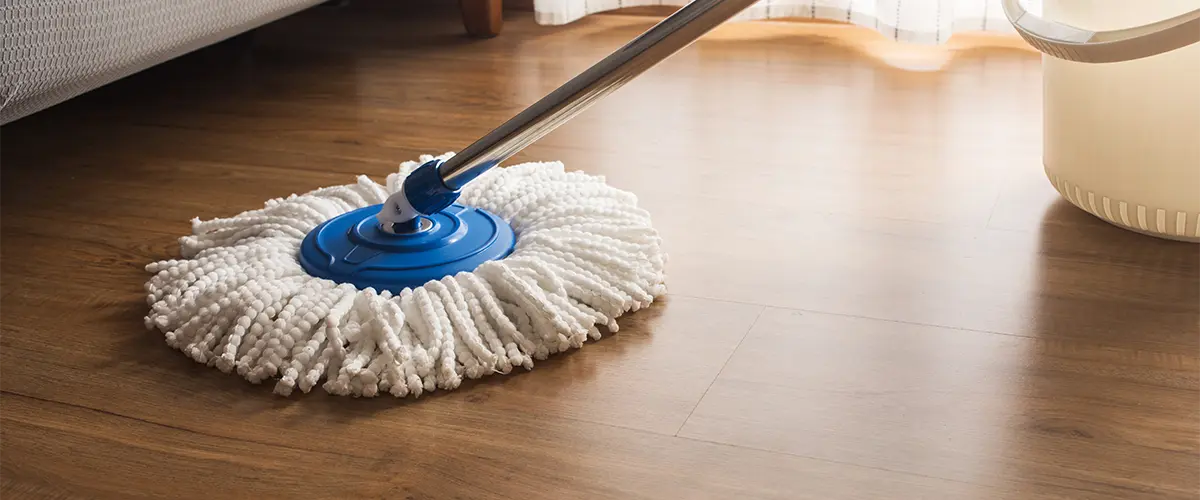
Dry mopping a luxury vinyl plank flooring

Tips For Luxury Vinyl Plank Maintenance

Ever wondered how complex luxury vinyl plank maintenance is? While it may be time-consuming to some, vinyl flooring is more resistant than other flooring types. The following tips and tricks will help you get the best vinyl plank floor cleaning results.

Daily Cleaning

Maintaining the allure of your LVP flooring requires a little bit of TLC. To keep it in tip-top shape, it’s essential to sweep or vacuum it every day to remove any loose dirt or debris to prevent unsightly scratches.

We recommend using a microfiber cloth or mop to give your floors a deep clean that will pick up any straggling dirt or dust bunnies. 

Just be cautious to avoid using a beater bar on your vacuum as this may do more harm than good.

Removing Stains and Spills

While spills and stains are no match for this tough flooring, it’s still essential to act fast and wipe them up with a damp cloth or mop. Avoid using anything abrasive (such as steel wool) that could harm the surface of this invincible vinyl floor.

Deep Cleaning

Over time, built-up dirt and grime can take a toll on your vinyl floors, but fear not – a pH-neutral cleaner and trusty microfiber mop can banish even the toughest of messes. Carefully remove loose dirt to avoid scratching the surface.

Just be sure to steer clear of steam and high temps, as your LVP floors can’t handle the heat and may warp or curl. If the manufacturer specifies using a cleaning solution for LVP floors, don’t attempt to replace it with household products.

Damage Prevention

Say goodbye to heavy furniture and appliances that can cause irreparable damage! Instead, swathe your vinyl plank floors in care and kindness by using furniture pads or casters to ward off scratches and indentations.

No more dragging furniture across these shining surfaces either! Remember, even pets need to have their nails trimmed to preserve the integrity of your flooring.

Sunlight Protection

Over time, direct sunlight can cause fading and discoloration of your luxury vinyl tile. Keep your floors looking as good as new by implementing some simple and stylish solutions. 

Blocking out the sun’s harsh rays with curtains or blinds during peak daylight hours is an excellent way to start.

Additionally, consider applying UV-protective film to your windows to reduce the amount of sunlight that enters your home.

Damage Repair

Protect your LVP flooring from further damage by repairing it as soon as possible. No need to stress – replacing individual planks or tiles is a simple process that even a DIY enthusiast can handle.
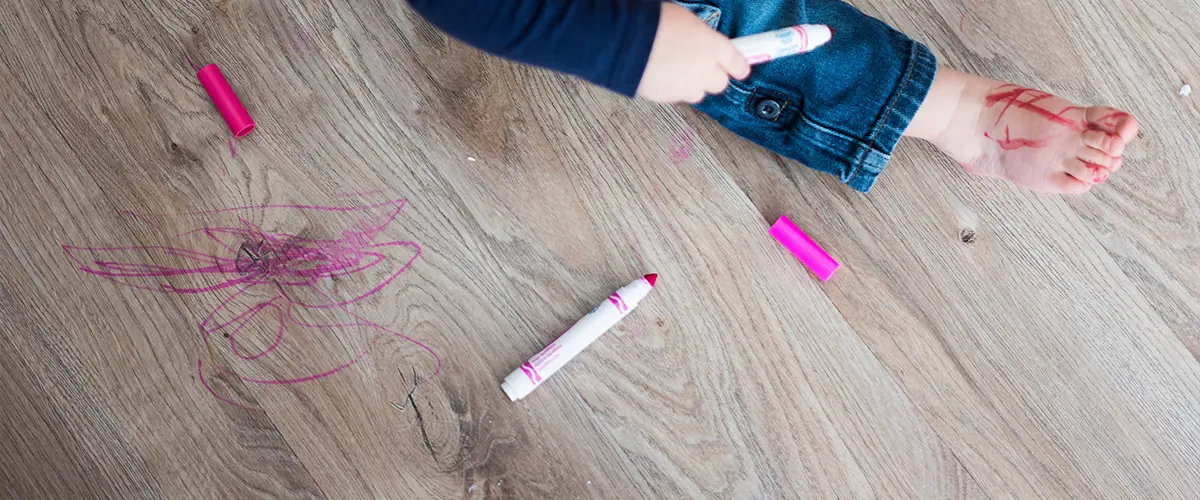
luxury vinyl plank maintenance for a floor with kid's drawings

Products to Consider

Experience a spotless shine in your luxury vinyl planks using easy-to-find household products! While some manufacturers may have their own recommended cleaners, the good news is that you can safely use various everyday products to keep your floors looking their best.

Remember that not all products are created equal and you’ll want to avoid anything that might leave your floors scratched or discolored.

Gentle techniques are key to maintaining the floor’s quality, so stay away from abrasive cleaners and harsh tools. Get into the routine of using a soft-bristled broom or vacuum with a hard floor attachment for basic cleaning.

Create a mixture with a few drops of mild dish soap and warm water for a deeper clean. Need to tackle pesky stains? Mix equal parts white vinegar (some claim apple cider vinegar also works) and water and let it sit for a few minutes before wiping it clean.

What To Avoid When Cleaning LVP Flooring

Did you know that using a “beater bar” attachment while vacuuming can damage your gorgeous vinyl flooring? Skip the abrasive scrubbers and steel wool for the best results.
For a long-lasting sparkle, steer clear of detergents, abrasive cleaners, and “mop and shine” products that can leave a dull film.

Regarding polishes, save yourself from future headaches by skipping paste wax and solvent-based options. 

And if you want to avoid having cracks in your vinyl floors? Stay away from ammonia and ammonia-based cleaners, as these can break down the material.

How To Prevent LVP Flooring Damage

It’s important to keep your vinyl floors in tip-top shape, and the first step is prevention. Let’s face it, dirt, stains, and abrasions are bound to happen, but if we can minimize them beforehand, we’ll be more successful in keeping our floors looking clean and shiny.

Start by placing a high-quality doormat or rug in entryways to stop unwanted grit and grime from entering your home. While removing dirt is often easy, why not prevent it altogether?

And when it comes time to move the furniture, try using a sheet of plywood to avoid unsightly scuffs and scrapes caused by furniture legs. Don’t forget to add some vinyl coasters under your furniture’s feet and legs to protect your floors from permanent indentations.
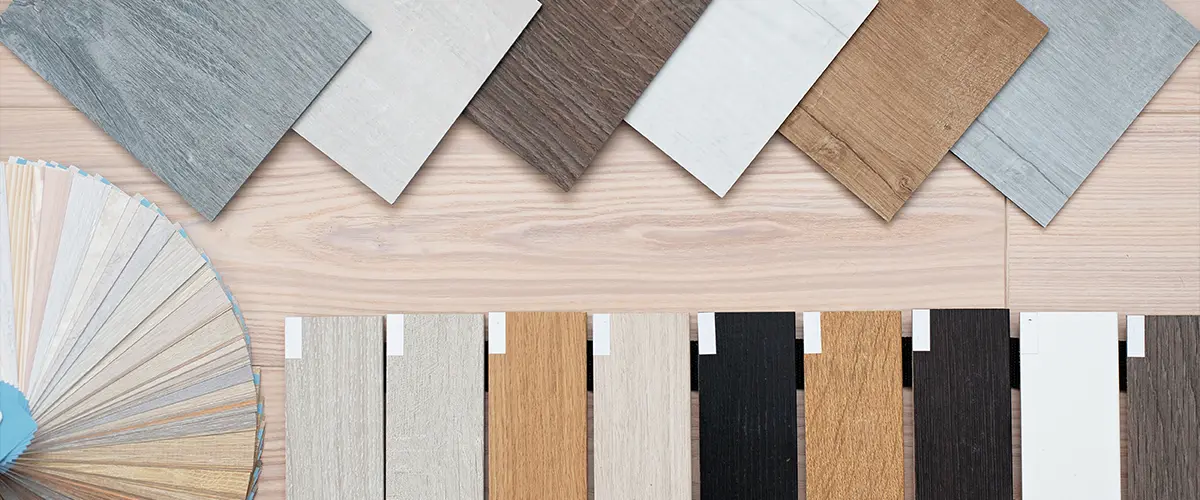
Luxury vinyl samples

Wrap Up

Cleaning luxury vinyl plank flooring doesn’t need to be a difficult task, it just requires the right combination of products, knowledge, and care. It’s important to know what materials are safe to use on LVP, as well as what to avoid to maintain its integrity.

Armed with this information, you can ensure that your floor maintains its high-end look and serves the home for many years.

If you have any questions or would like assistance with the luxury vinyl plank maintenance and installation, Randy Stewart’s Hardwood Flooring is here to help! 

We’ve proudly been supplying premium hardwood services with thousands of installed and repaired floors. Contact us directly at (843) 900-4880 or request a custom quote today!

Key Points


Why does LVP flooring require specific maintenance practices and what happens when the wrong products or tools are used?

  • LVP’s wear layer is the floor’s primary defense against scratching, staining, and surface damage — and it is also the layer most vulnerable to the specific chemical and mechanical damage that incorrect cleaning products and tools produce. Once the wear layer is scratched or chemically degraded, the floor’s appearance and protective function are permanently compromised in those areas.
  • The beater bar vacuum attachment that most people use on carpet is one of the most common sources of LVP surface damage precisely because users assume that a vacuum that works well on one floor type will work on all floor types. The rotating beater bar designed to agitate carpet fibers and lift embedded dirt instead scratches the hard surface of LVP with every pass.
  • Steam mops cause the specific type of damage that LVP’s waterproofing does not protect against — the heat component of steam cleaning, not the moisture alone, is what causes warping and delamination. LVP resists liquid water effectively but is not designed to withstand the elevated temperatures that steam introduces, making steam cleaning one of the most damaging maintenance choices available regardless of the floor’s waterproof rating.
  • Ammonia-based cleaners degrade the vinyl material’s chemical structure rather than simply cleaning its surface — the damage is cumulative and not immediately visible, which means homeowners who use these products consistently may not identify the source of the floor’s declining appearance until significant degradation has already occurred.
  • Mop-and-shine products and paste wax are marketed with language that implies floor maintenance but leave a film on LVP surfaces that attracts dirt, dulls the floor’s appearance, and cannot be removed with regular cleaning — the ongoing use of these products progressively degrades the floor’s appearance rather than protecting it.
  • RS Hardwood Flooring’s LVP installation and maintenance guidance for Charleston, Summerville, and Mount Pleasant homeowners is informed by direct experience with the damage patterns that incorrect maintenance produces — and by the understanding that the most common LVP failures are not product failures but maintenance failures that correct practice would have prevented.


What does a complete daily and weekly LVP maintenance routine look like and how much time does it actually require?

  • Daily maintenance for LVP is genuinely minimal compared to other flooring types — a soft-bristle broom or microfiber dust mop pass through high-traffic areas takes minutes and accomplishes the most important maintenance task: removing the abrasive particulate that causes the majority of wear layer degradation over time.
  • The microfiber mop is the tool that produces the best results for both dry sweeping and damp surface cleaning — its fiber structure captures fine particles more completely than traditional brooms and holds the right amount of moisture for damp cleaning without saturating the surface or requiring wringing that takes time and attention.
  • Vacuuming on the hard floor setting — not carpet setting — can replace or supplement daily sweeping for homeowners who prefer vacuum cleaning, particularly in pet-owning households where hair accumulation between sweeping events is faster than daily sweeping alone manages. The hard floor setting must be confirmed and the beater bar attachment must be either removed or deactivated before the vacuum contacts the LVP surface.
  • Damp mopping with the appropriate cleaning solution should occur at the frequency that the floor’s soil level requires — in high-traffic areas this may be weekly, while lower-traffic spaces may need damp mopping only every two to three weeks. Over-mopping introduces unnecessary moisture risk without providing meaningful additional cleaning benefit beyond what the floor’s actual soil level requires.
  • Spot cleaning of spills and tracked-in soil as soon as they occur is more effective than allowing spills to sit until the scheduled cleaning day — the LVP surface is easy to spot clean with a damp cloth and the time investment is seconds rather than the more involved cleanup that dried spills require.
  • The total time investment for LVP maintenance in a typical household is meaningfully less than hardwood, tile, or carpet — no sealing, no refinishing, no professional extraction cleaning, and no specialized product application. The correct routine is simply consistent rather than elaborate, and that consistency is what produces floors that look their best across the full service life.


How should stubborn stains and built-up grime be addressed on LVP flooring without causing surface damage?

  • The first response to any stain on LVP should be a clean damp cloth — most fresh spills clean completely with plain water and mechanical wiping before any cleaning product is needed. The sooner the response, the less likely any product will be required at all.
  • The white vinegar and water mixture at equal parts is the most effective safe stain treatment for the stains that plain water does not resolve — it addresses most organic stains, food residue, and light mineral deposits without the chemical aggression that would damage the wear layer. Applying the mixture, allowing it to sit briefly, and wiping clean with a damp cloth is the complete process.
  • Mild dish soap diluted in warm water provides effective cleaning chemistry for grease-based stains and general built-up grime — the surfactant action that dish soap is designed to provide is appropriate for LVP surfaces in the dilute concentrations a few drops in a bucket of warm water produce, unlike the concentrated surfactant chemistry of industrial cleaners that can degrade the wear layer.
  • Manufacturer-specified cleaning solutions are the safest choice for deep cleaning because they are formulated with knowledge of the specific product’s wear layer chemistry — compatibility that a generic cleaning product cannot guarantee. When a manufacturer’s recommendation exists, following it is always safer than substituting a product whose chemical interaction with the specific floor is untested.
  • Heat is the cleaning tool that must never be applied to LVP stains regardless of how effective it appears — the temptation to use a steam mop or heated cleaning pad for a particularly stubborn stain produces the same heat-related damage that routine steam cleaning causes, regardless of whether it is applied once or regularly.
  • Mechanical scrubbing with soft tools — the soft side of a sponge, a soft cloth, gentle back-and-forth motion — is acceptable for stubborn stains when chemical treatment alone is insufficient, as long as the tool makes no contact with abrasive materials. The test for whether a tool is safe for LVP is whether it would scratch a smooth painted surface — if yes, it will scratch LVP’s wear layer.


What physical damage prevention measures produce the highest return for LVP floors in active households?

  • Entry mats at every exterior door are the highest single-point return in LVP damage prevention — capturing the grit, sand, and abrasive particles that shoes carry from outdoor surfaces before they reach the LVP surface eliminates the primary source of the micro-scratching that progressively dulls the wear layer across the floor’s service life.
  • Furniture pads under every leg of every piece of furniture that rests on LVP prevent the two specific damage types that furniture most consistently produces: point-load indentation from stationary weight concentrated on small leg tips, and surface scratching from lateral movement when furniture is shifted during cleaning, rearranging, or daily use.
  • The plywood sheet method for moving furniture — placing a sheet of plywood under the furniture’s path before dragging — distributes the weight and friction of furniture movement across a larger surface area that the plywood absorbs rather than the LVP beneath it. This technique allows furniture to be moved without furniture pads during a move when pad attachment is not practical.
  • Pet nail trimming is a damage prevention measure that many LVP-owning households deprioritize until scratch patterns accumulate in the areas where pets run, stop, and change direction. LVP’s wear layer resists claw contact better than hardwood finishes, but sustained contact from unclipped nails produces wear layer penetration that accumulates into visible scratches across a floor that regular trimming would have prevented.
  • Avoiding rubber-backed rugs placed directly on LVP prevents the discoloration that rubber backing can cause when in sustained contact with vinyl surfaces — breathable rug backing or a non-rubber rug pad provides the non-slip function of rubber backing without the chemical transfer risk that direct rubber-to-vinyl contact produces over time.
  • Temperature management in the home — maintaining indoor temperature within the range specified by the LVP manufacturer and avoiding the extreme temperature swings that occur when climate control is shut off during extended absences — prevents the thermal expansion and contraction cycling that stresses plank connections and can produce gapping or buckling in floating LVP installations over time.


How should damaged LVP planks be repaired and when is professional involvement the right choice?

  • Individual plank replacement is the primary repair mechanism for LVP damage — unlike hardwood that can be spot-sanded and refinished in place, damaged LVP planks are replaced rather than restored, and the click-lock floating installation system that most residential LVP uses makes individual plank replacement accessible as a repair approach.
  • Minor surface scratches in the wear layer can be addressed with manufacturer-approved scratch repair kits that fill the scratch with a color-matched filler — a cosmetic repair rather than a structural one, appropriate for light scratches that have not penetrated fully through the wear layer. These kits are available through flooring retailers and produce results that are acceptable for minor damage in lower-visibility locations.
  • The repair matching challenge increases over time as product lines are updated or discontinued — LVP purchased several years ago may not be available in the exact colorway from the same lot, and replacement planks from a different lot or a similar but not identical product will produce visible color variation against the existing floor. Storing a small quantity of original planks from the installation is the standard recommendation for exactly this scenario.
  • Plank replacement in click-lock floating systems requires disassembling the floor from the nearest wall or transition to the damaged plank — a process that is straightforward for an experienced installer and more complicated for a homeowner attempting it for the first time. Errors in disassembly damage additional planks and increase the scope of the repair.
  • Widespread damage across multiple planks, moisture-related issues beneath the surface, or subfloor damage discovered during plank replacement are conditions that warrant professional assessment before additional repair work proceeds — these conditions indicate systemic issues that targeted plank replacement will not resolve if the underlying cause is not identified and addressed first.
  • RS Hardwood Flooring’s LVP installation and repair services in Charleston, Summerville, and Mount Pleasant provide homeowners with professional assessment and repair capability for LVP damage situations that exceed the scope of DIY repair — ensuring that the repair approach matches the actual condition of the floor rather than the homeowner’s best estimate of what the damage requires.


How does LVP maintenance differ from hardwood floor maintenance and what does that mean for homeowners who have both?

  • The most fundamental difference is that LVP requires no periodic resealing, refinishing, or professional restoration — the maintenance program is entirely routine and does not involve the professional service cycle that hardwood floor care requires every few years. This difference in maintenance burden is one of the primary practical advantages LVP offers over hardwood in spaces where maintenance simplicity is a priority.
  • Cleaning product requirements are stricter for hardwood than for LVP in some respects and stricter for LVP than hardwood in others. Hardwood is sensitive to excess moisture and acidic cleaners that etch the finish; LVP is sensitive to heat, ammonia, and abrasives that the same hardwood finish would tolerate. Households with both floor types need to maintain two distinct cleaning protocols rather than applying the same product and tool set across all floor surfaces.
  • The steam mop prohibition applies to both hardwood and LVP — for hardwood because moisture and heat penetrate to the wood, and for LVP because heat causes warping and delamination. Households that have invested in a steam mop for other cleaning applications should understand that neither of these flooring types is an appropriate surface for its use.
  • Damage repair differs fundamentally between the two materials — hardwood damage is addressed through refinishing that restores the floor’s surface without replacement, while LVP damage is addressed through plank replacement that substitutes the damaged material rather than restoring it. This difference affects both the repair cost and the matching challenge that damaged areas present.
  • LVP’s lower maintenance burden does not mean zero maintenance attention — the households that see premature LVP wear are typically those that have interpreted low maintenance as no maintenance, allowing abrasive soil to accumulate, using inappropriate cleaning products, and neglecting the physical damage prevention measures that extend LVP life significantly beyond what neglected floors achieve.
  • RS Hardwood Flooring’s experience with both hardwood and LVP flooring in the Charleston, Summerville, and Mount Pleasant market — including more than 700 hardwood installations and over 50 luxury vinyl installations — means that homeowners with mixed flooring types can receive guidance on the distinct maintenance requirements of each surface from a single contractor with direct experience in both categories.